Introduction
When we think about our health, we often focus on diet, exercise, and lifestyle choices, but there's a complex web of biological factors that significantly influence our well-being—hormones being a major player. Among the many systems in our body affected by hormones, spinal health is particularly noteworthy. Understanding the intricate relationship between hormones and spinal health can help us make informed decisions to maintain a healthy spine throughout our lives.
Hormones are chemical messengers that regulate various physiological processes, including growth, metabolism, and mood regulation. But did you know that they also play a pivotal role in maintaining the integrity of your spine? From bone density to muscle strength and even pain perception, hormones can greatly impact how our spine functions.
In this article, we will dive deep into “The Relationship Between Hormones and Spinal Health,” exploring how hormonal fluctuations can affect spinal health and what measures can be taken to minimize adverse effects. With over 6,000 words packed with insights and expert knowledge, let’s embark on this enlightening journey!
Understanding Hormones
What Are Hormones?
Hormones are specialized proteins produced by glands in the endocrine system. They travel through the bloodstream to target organs or tissues, where they elicit specific responses crucial for maintaining homeostasis.
Types of Hormones
- Peptide Hormones: Such as insulin Steroid Hormones: Including testosterone and estrogen Amine Hormones: Like epinephrine
Functions of Hormones
Hormones regulate numerous bodily functions:
- Metabolism Growth and development Mood regulation Reproductive processes
The Role of Hormones in Spinal Health
How Do Hormones Affect Bone Density?
Bone density is critical for spinal health. Estrogen plays a significant role in maintaining bone density; during menopause, women experience a drop in estrogen levels leading to decreased bone mass.
The Impact of Testosterone on Spine Strength
Testosterone contributes not only to muscle mass but also to bone density. Lower testosterone levels can lead to weakened bones, making individuals more susceptible to fractures.
Cortisol: The Stress Hormone’s Effect on Your Spine
High cortisol levels due to chronic stress can inhibit osteoblast activity (cells responsible for bone formation), leading to weakened bones over time.
Hormonal Changes at Different Life Stages
Puberty: A Time of Change
During puberty, both males and females experience hormonal changes that promote bone growth. Increased levels of growth hormone contribute significantly during this transitional phase.
Pregnancy: The Surging Influence of Estrogen
Pregnancy triggers a surge in hormones like relaxin and progesterone. These hormones prepare the body for childbirth but may also affect spinal alignment as ligaments become looser.
Menopause: The Decline of Estrogen Levels
As women approach menopause, estrogen levels drop significantly. This decline leads to increased risks of osteoporosis—a condition characterized by brittle bones that can impact spinal health adversely.
Chronic Conditions Affecting Spinal Health Due to Hormonal Imbalances
Hypothyroidism: A Hidden Threat
Hypothyroidism slows down metabolism and may lead to weight gain; excess weight puts additional strain on the spine.
Hyperthyroidism: Muscle Weakness and Spinal Issues
Conversely, hyperthyroidism can lead to muscle weakness which destabilizes the spine's support structure.
Adrenal Fatigue: The Overlooked Condition
Chronic stress may lead to adrenal fatigue resulting in hormonal imbalances that can exacerbate existing spinal issues.
Dietary Factors Influencing Hormonal Balance
Nutrients Essential for Bone Health
Certain nutrients play crucial roles in hormone production:
- Calcium Vitamin D Magnesium
Foods That Support Healthy Hormone Levels
Including foods rich in omega-3 fatty acids (like fish) can help balance hormone levels effectively.
Lifestyle Choices Impacting Both Hormonal Levels and Spinal Health
Exercise: A Dual Benefit Approach
Regular physical activity not only strengthens muscles supporting your spine but also helps regulate hormone levels—especially testosterone and estrogen.
Stress Management Techniques for Better Spinal Health
Practices such as yoga or meditation lower cortisol levels while promoting overall wellness—benefiting both hormone balance and spinal integrity.
Spinal Disorders Linked with Hormonal Imbalances
Osteoporosis: The Silent Epidemic
Osteoporosis poses significant risk factors for fractures related directly back to https://www.zahnchiropractic.com/ hormonal changes—particularly among post-menopausal women.
Scoliosis: Is There a Connection?
While its exact causes are often unclear, some studies suggest hormonal influences may play a role in the development or exacerbation of scoliosis during growth spurts.
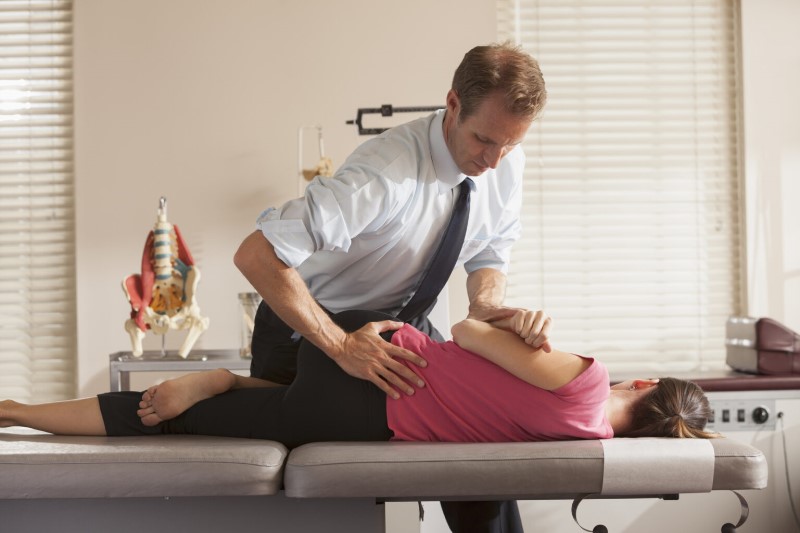
Preventive Measures for Maintaining Spinal Health Amidst Hormonal Changes
Regular Check-Ups with Healthcare Providers
Frequent evaluations help monitor hormonal imbalances early on before they manifest into serious spinal conditions.
Adopting an Anti-inflammatory Diet
Foods rich in antioxidants combat inflammation which could otherwise exacerbate any existing spinal issues influenced by hormones.
Exercises Specifically Beneficial for Spine Health
| Exercise | Benefits | |-----------------------|------------------------------------------| | Planks | Strengthens core muscles | | Yoga | Improves flexibility | | Resistance training | Increases muscle mass |
Supplementation Options for Supporting Bone Density
Calcium Supplements Vitamin D3 Omega-3 Fatty AcidsReal-Life Case Studies Demonstrating these Relationships
Several case studies illustrate real-life scenarios where patients experienced improved outcomes through understanding their hormonal interplay with spinal health:

Case Study A - Postmenopausal Woman with Osteoporosis
Case Study B - Male Athlete with Low Testosterone Levels
Each case emphasizes how monitoring hormone levels results directly correlating improvements in patients' mobility or comfort level related specifically back toward their spines!
Frequently Asked Questions (FAQs)
How do hormones influence my posture?- Imbalances such as low testosterone or high cortisol could weaken core muscles affecting posture negatively.
- Consult your healthcare provider who may recommend blood tests followed by suitable interventions.
- Absolutely! Foods rich in essential nutrients support healthy hormone production while minimizing potential disruptions!
- Not at all! It's never too late; adjustments made now could yield significant benefits down the line!
- Low-impact exercises like swimming or gentle yoga prove beneficial without placing undue stress upon vulnerable areas!
- Yes! Calcium alongside magnesium tends toward optimal results when paired appropriately within an individual's regimen!
Conclusion
Understanding “The Relationship Between Hormones and Spinal Health” unveils an intricate tapestry woven from various biological threads influencing each other profoundly yet subtly across life stages—from childhood through adulthood into old age—reminding us just how interconnected our body's systems truly are! It highlights why proactive engagement concerning lifestyle decisions—including nutrition choices alongside fitness regimens—is paramount toward achieving optimal outcomes focused around preserving not just one’s mobility but overall quality-of-life ambitions moving forward!
So take charge today! Prioritize your spine while balancing those vital hormones; your future self will thank you!